


 alligator

Ricoh GR IIIx Review: The Extension of the Eye An artisan's look into how a pocket-sized 40mm powerhouse stack up against monsters like the Leica M11 and Fuji X100VI. Discover why this stealthy camera might just be what Henri Cartier-Bresson would choose for modern street photography.
What would Henri Cartier-Bresson shoot with today at the absolute peak of his career?
Having the privilege of working with the world’s finest cameras every day, and being passionate photographers ourselves, we wanted to start this series of reviews with a fundamental question that will anchor all our future feature pieces (covering both digital and analog systems): What would Henri Cartier-Bresson use today at the peak of his career?
We begin this journey with the Ricoh GR IIIx—an evolution and a direct alternative to the classic 28mm focal length found across all previous GR generations.
40mm: A Contemporary Vision of the Master's Choice
The 40mm focal length is, in my opinion, a contemporary interpretation of the 50mm lens—the focal length most famously associated with Cartier-Bresson. While he relied exclusively on the 50mm at the start of his career, he naturally gravitated closer to the 35mm as the years progressed. Today, I strongly believe the 40mm would be one of his absolute favorites.
This won't be a conventional technical review. Sensor performance across the industry has reached such a high baseline that debating test charts feels redundant. Instead, we will talk about feeling—about how a camera can become an extension of our central nervous system (as Marshall McLuhan conceptualized) and, for the photographer, an extension of the hand and the eye.
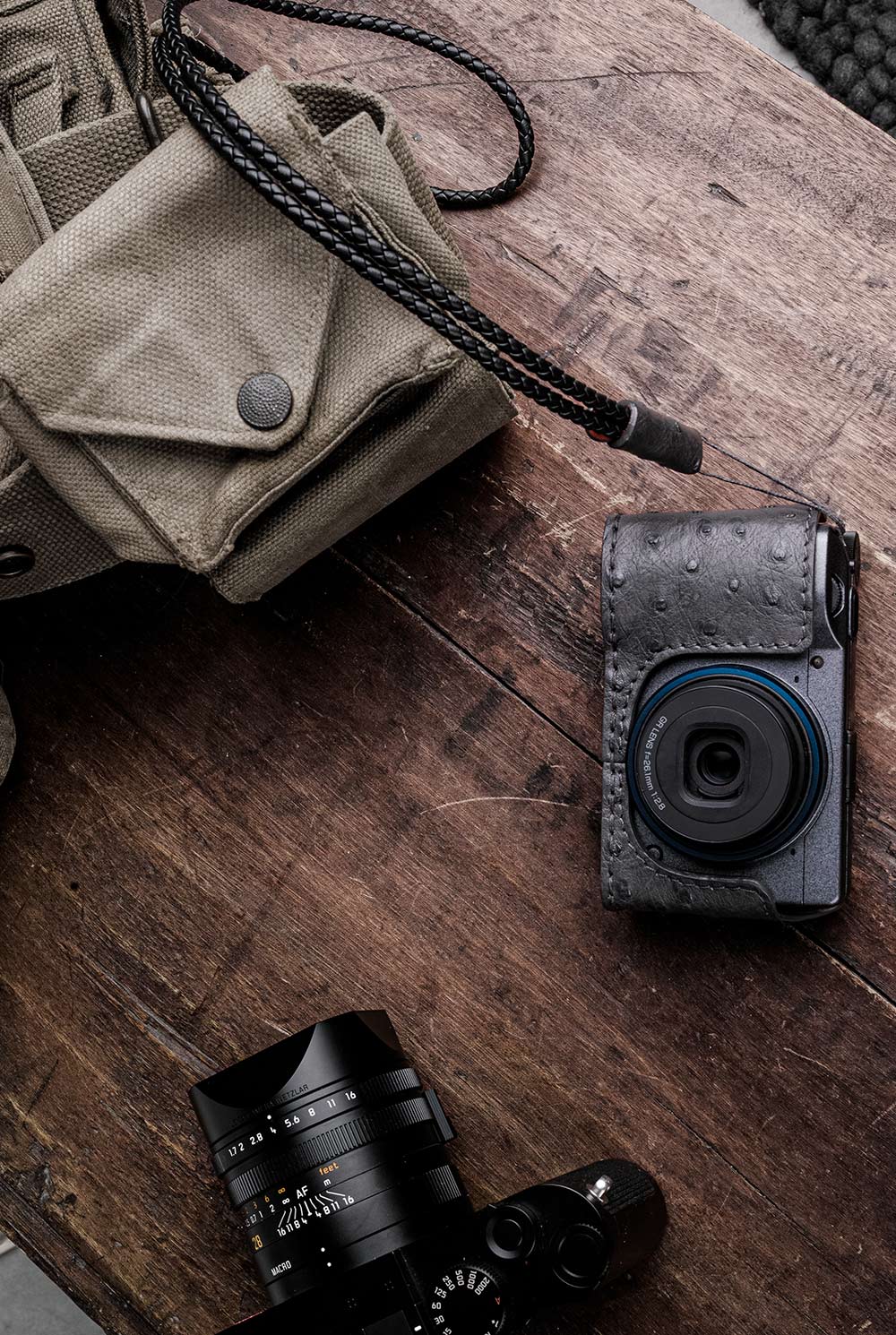
Photo Below: my GR3x Urban Edition I used for the Review together with my old Leica Q2 (dressed by our special half case in anthracite ostrich and our strap)
Standing Between Giants
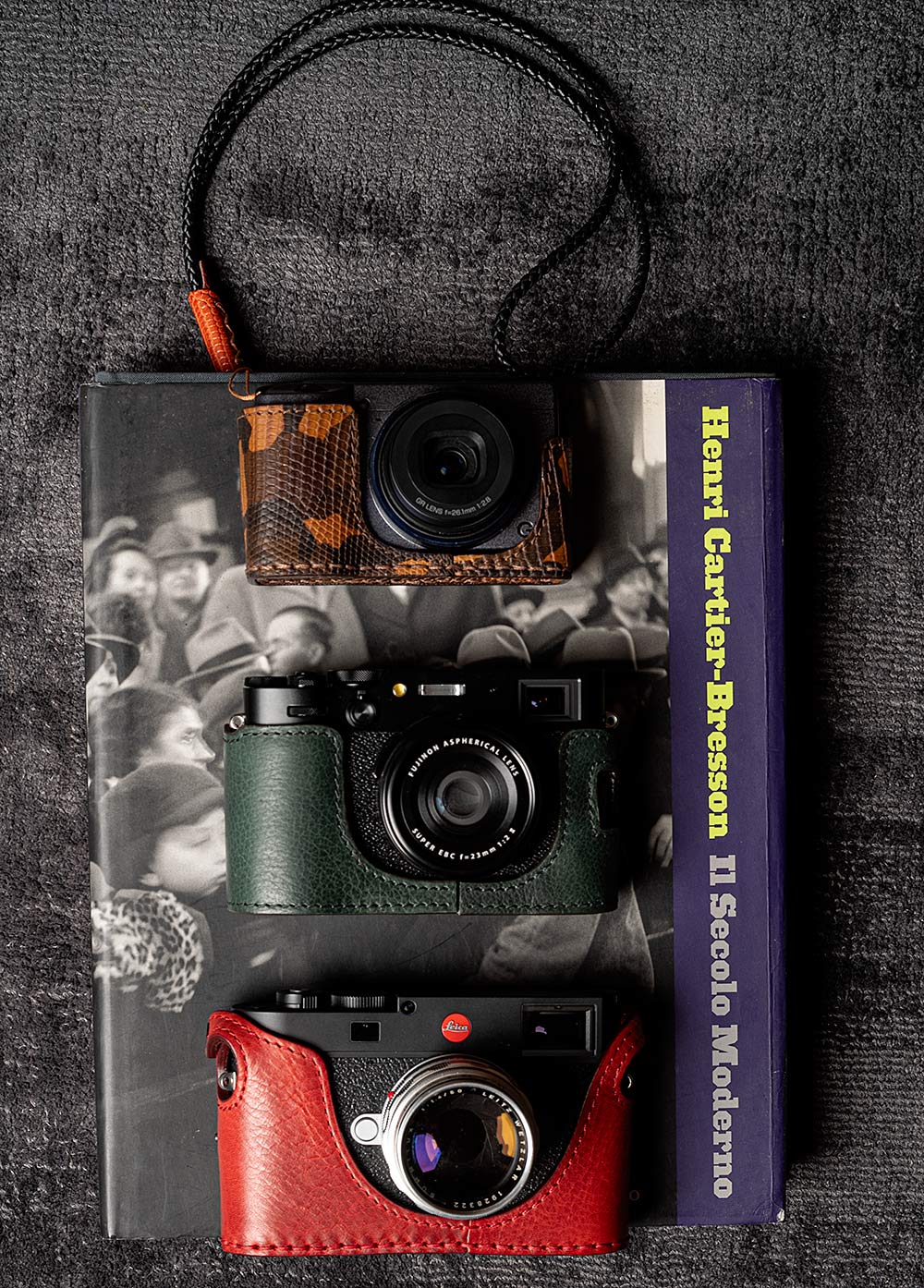
Right from the first frame, the Ricoh GR IIIx finds itself positioned between two sacred monsters of street photography and two of the best cameras I have ever handled: the Fujifilm X100VI and the Leica M11.
Ricoh GR IIIx | Fujifilm X100VI | Leica M11
Naturally, there is no sense in pixel-peeping against a machine like the Leica M11, which approaches €10,000 and carries a monstrous 60-megapixel sensor. What truly interests me is analyzing the core strengths of this tiny pocket companion: a camera equipped with an exceptional lens and near-perfect ergonomics—even if, being meticulous, a few minor details could still be refined.
The real battleground, however, lies elsewhere: The Ricoh’s Snap Focus versus the manual rangefinder focusing of the Leica.
Instinct vs. School of Analog
The Invisible Edge: Seeing Outside the Frame
On this specific layout, the Ricoh GR IIIx gives up a significant advantage to its two competitors.
There is an immense benefit to shooting with the rangefinder of the Leica M11 or the hybrid optical viewfinder (OVF) of the Fujifilm X100VI: the ability to keep an eye outside the frame, anticipating the future. Unlike traditional mirrorless cameras or the Ricoh GR IIIx—where the screen or EVF displays precisely and exclusively what will be captured—the M11 and the X100VI (in optical mode) project frame lines inside a wider field of view.
"This extra space outside the frame completely redefines your photographic approach."
But where the Ricoh yields ground in the viewfinder experience, it triumphs effortlessly on other fronts: Portability and Invisibility.
Istanbul: GR3x, 1/200 sec, f5.6, iso 400 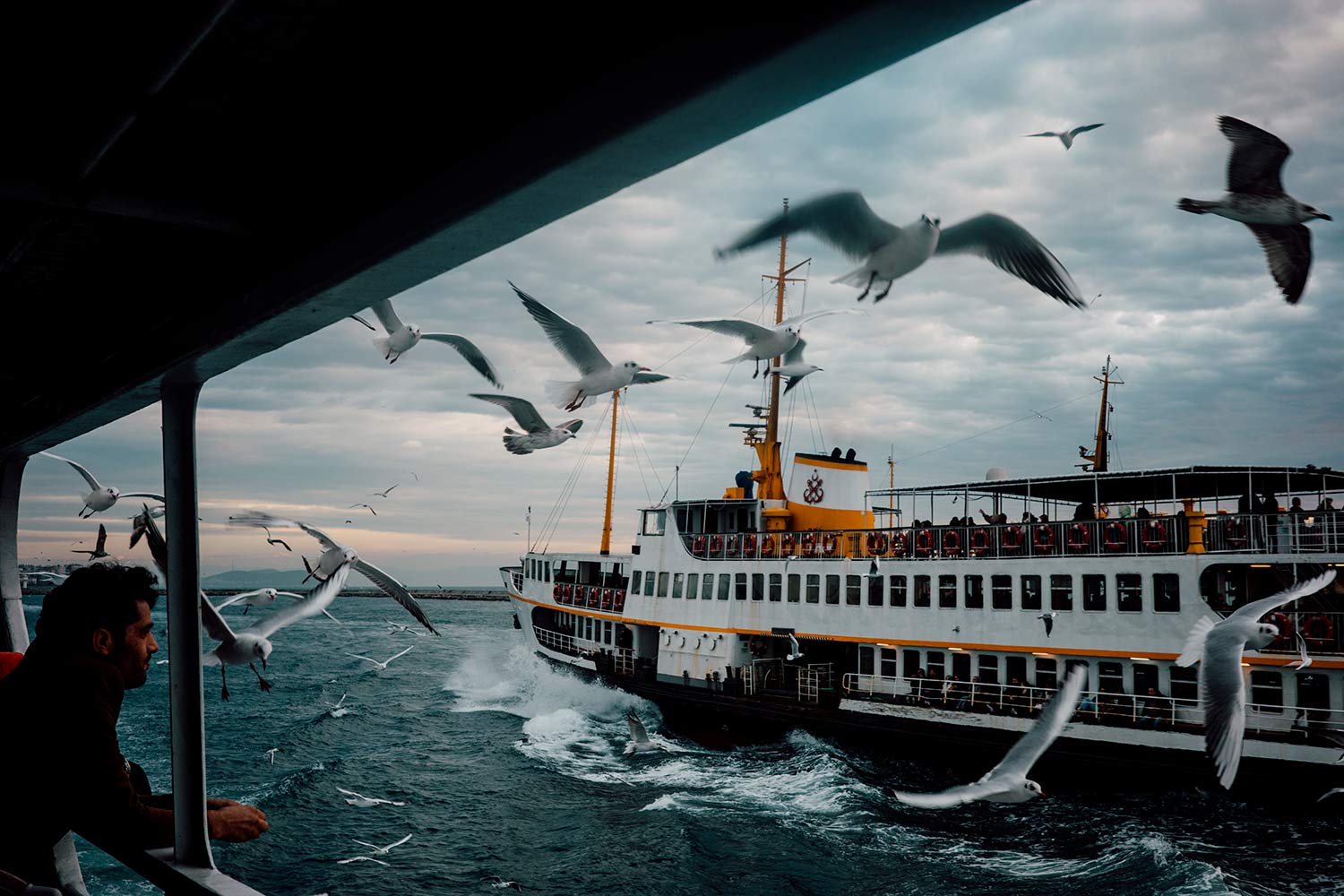
Why is the 50mm fading from modern street photography?
Urban Density and Visual Chaos
The urban landscapes where Cartier-Bresson shot in the 1930s, 40s, and 50s (Paris, post-war European towns, open piazzas) possessed entirely different spatial dynamics. There were fewer parked cars blocking the view, no massive billboards, fewer lampposts, and far less visual clutter. With a 50mm, he could cleanly isolate a silhouette or a passerby while maintaining a pristine composition.
Today, our cities are dominated by visual noise.
With a 50mm lens today, you risk cropping out essential contextual elements or ending up with chaotic, overly compressed backgrounds. A 35mm or 40mm focal length allows you to integrate that very chaos as a framing device, working across multiple layers (foreground, midground, background).
Furthermore, the mechanics of modern street photography have evolved drastically. Photographers now operate extremely close to their subjects—often within a single meter—wanting to be fully immersed "inside" the scene. A longer focal length in these close quarters risks capturing only an isolated detail rather than the energy of the environment.
Venice: GR3x, 1/325 sec, f6.3 iso 125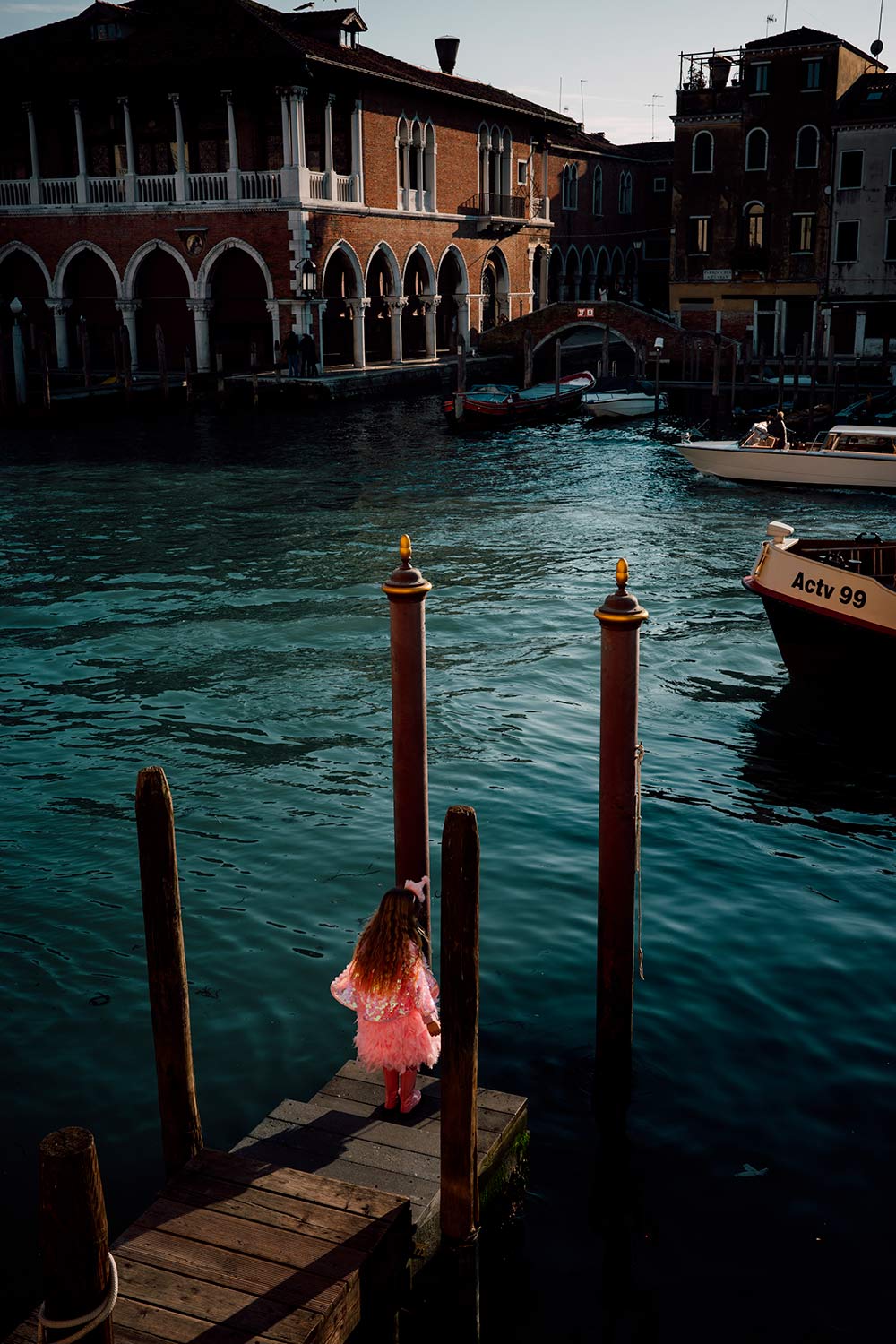
Field Performance: Optical Strengths
[ Optical Profile: 40mm f/2.8 GR Lens ]
1. Razor-Sharpness from f/2.8
The Ricoh 40mm lens is engineered to perform wide open. At the center of the frame, resolution is outstanding right at f/2.8, with exceptional rendering extending cleanly into the corners.
2. The 40mm Leap: A New Frontier for Ricoh
While the GR III and GR IV rely on the classic 28mm wide-angle of traditional street photography, the GR IIIx adopts a 35mm-equivalent 40mm focal length. It mirrors the perspective of the human eye beautifully:
3. Macro Performance (Down to 12cm)
The optical elements shift mechanically to achieve focus just 12 centimeters away from the sensor in macro mode. Thanks to the inherent structural sharpness of the lens formula, micro-details and textures are rendered beautifully.
4. 9-Blade Rounded Diaphragm
The aperture mechanism incorporates 9 rounded blades. When shooting wide open at f/2.8, the out-of-focus background transitions into a smooth, buttery bokeh, maintaining perfectly circular light disks.
5. Built-in 2-Stop ND Filter
Tucked neatly inside the optical assembly is an electronically engageable Neutral Density (ND) filter. Reducing incoming light by 2 stops, it allows you to shoot wide open at f/2.8 under harsh summer sun or intentionally drag the shutter speed to capture the motion blur of a crowded street.
Venice: GR3x, 1/125 sec, f5 iso 320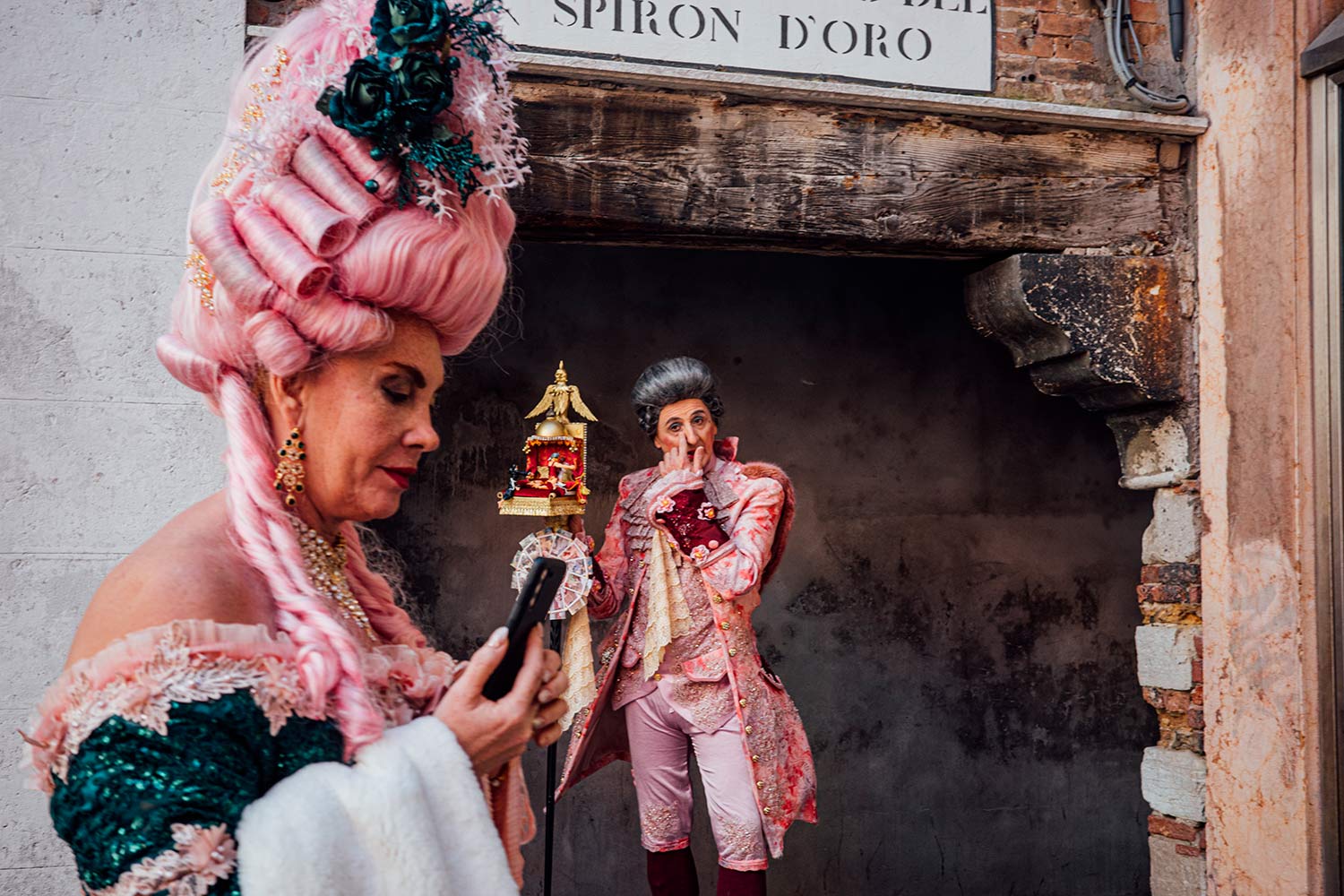
Venice: GR3x, 1/100 sec, f8 iso 250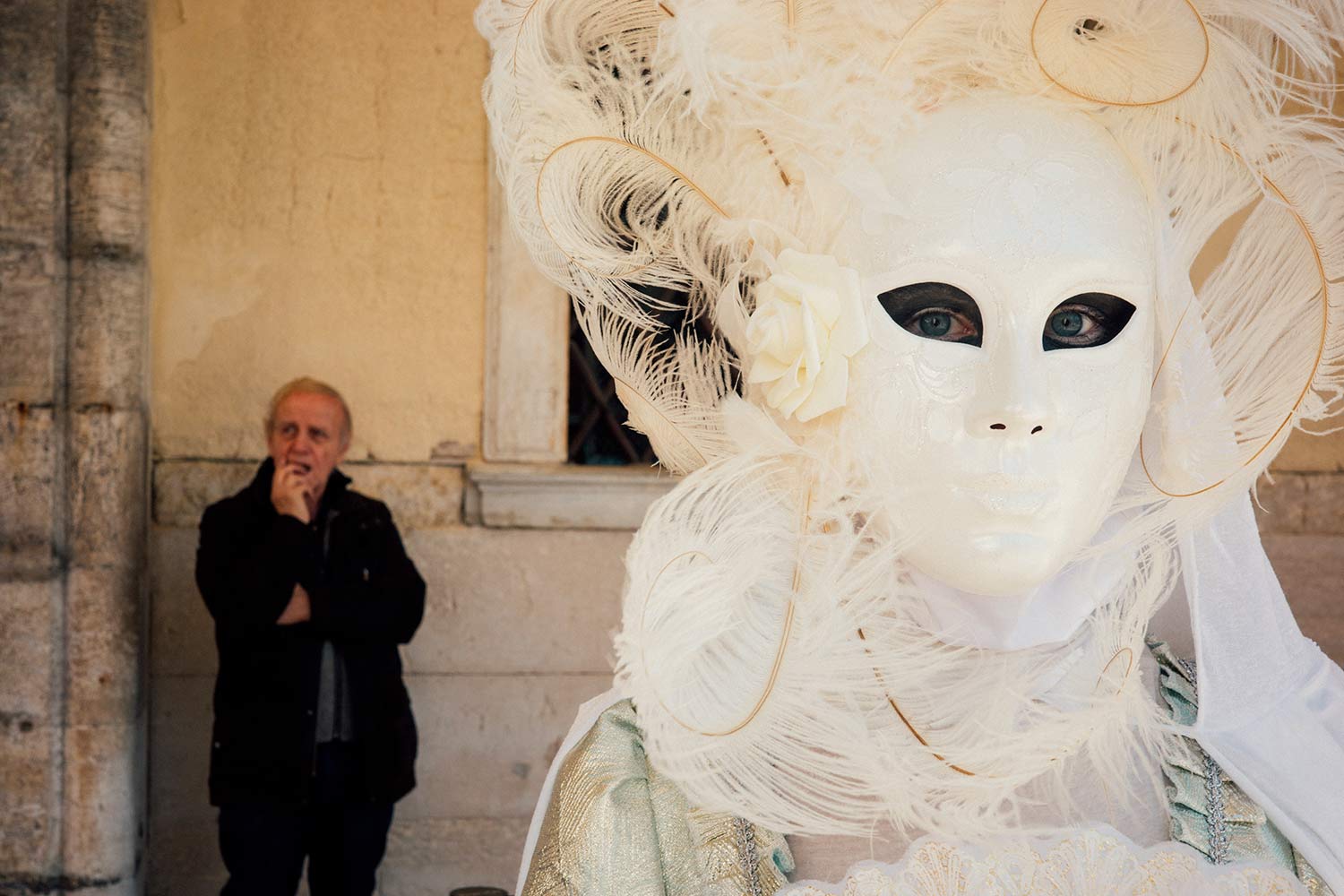
Micro-Contrast: The Secret to "Three-Dimensionality"
Micro-contrast is the lens’s ability to faithfully reproduce minute gradations of tone (subtle shifts in gray or color) between adjacent areas of high-frequency detail.
Venice: GR3x, 1/320 sec, f10 iso 100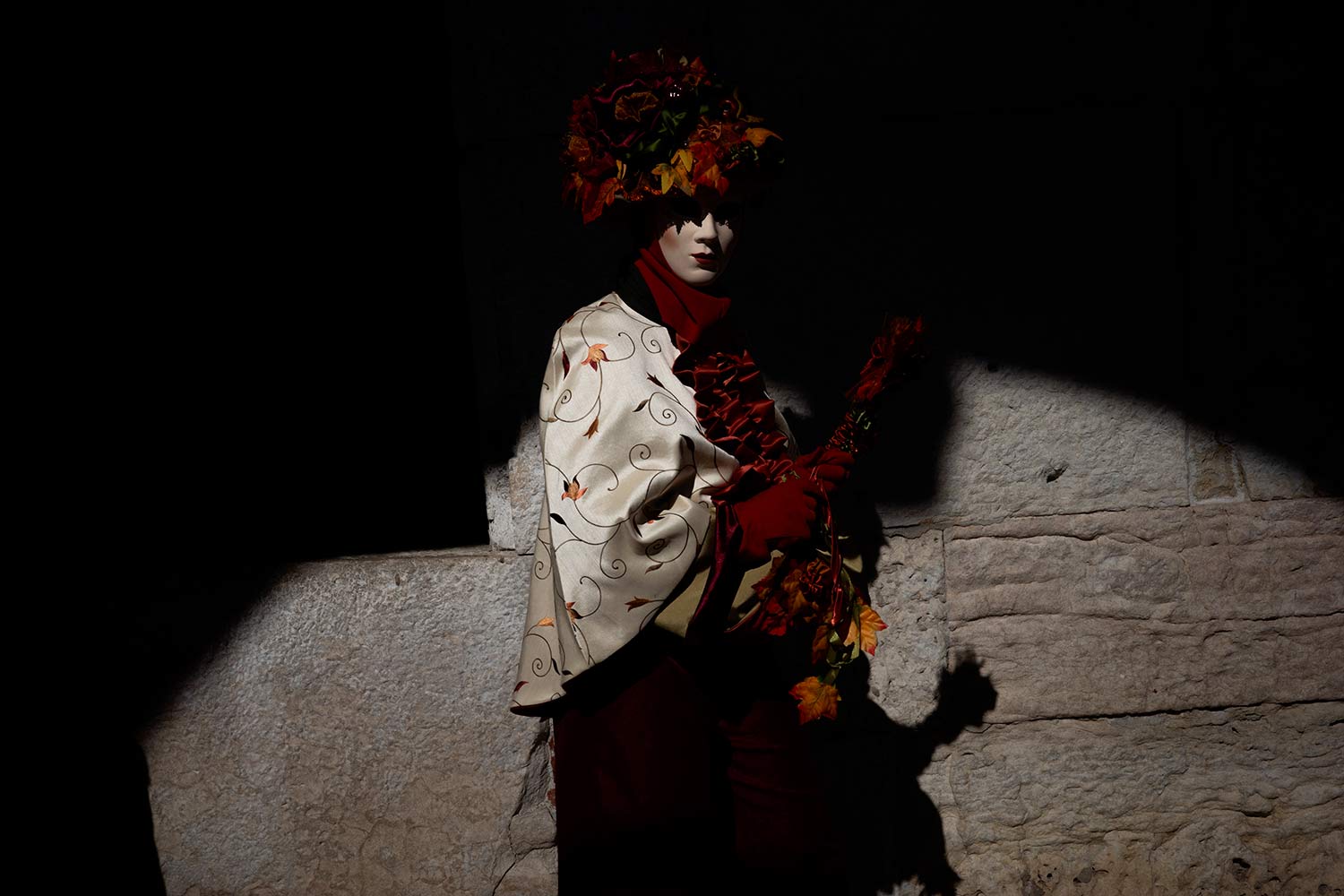
Chasing the "Webb Color" with the GR IIIx
Alex Webb stands as one of the most influential street and documentary photographers of the last century, defined by a complex style featuring multiple layers and vibrant, dominant colors that emerge from high-contrast scenes, often captured during the golden hour.
To me, the Ricoh GR IIIx is the perfect instrument for this aesthetic. Alex Webb does not use shadows to hide elements, but rather to give structure to his compositions, letting saturated hues explode within the illuminated zones.
[ HIGH CONTRAST / GEOMETRIC SHADOWS / CUTTING LIGHT ]
If you want to evoke that distinctive Alex Webb atmosphere—composed of extreme contrasts, deep geometric shadows, cutting light, and heavily underexposed areas—the micro-contrast and resolution of this Ricoh lens deliver fantastic results. Thanks to its multi-layer anti-reflective coatings and precision optical alignment, the lens keeps shadows perfectly dense and clean, trapping light precisely where it belongs. The contrast between a dark silhouette and an illuminated zone remains as clean as a knife edge.
Venice: GR3x, 1/200 sec, f5 iso 100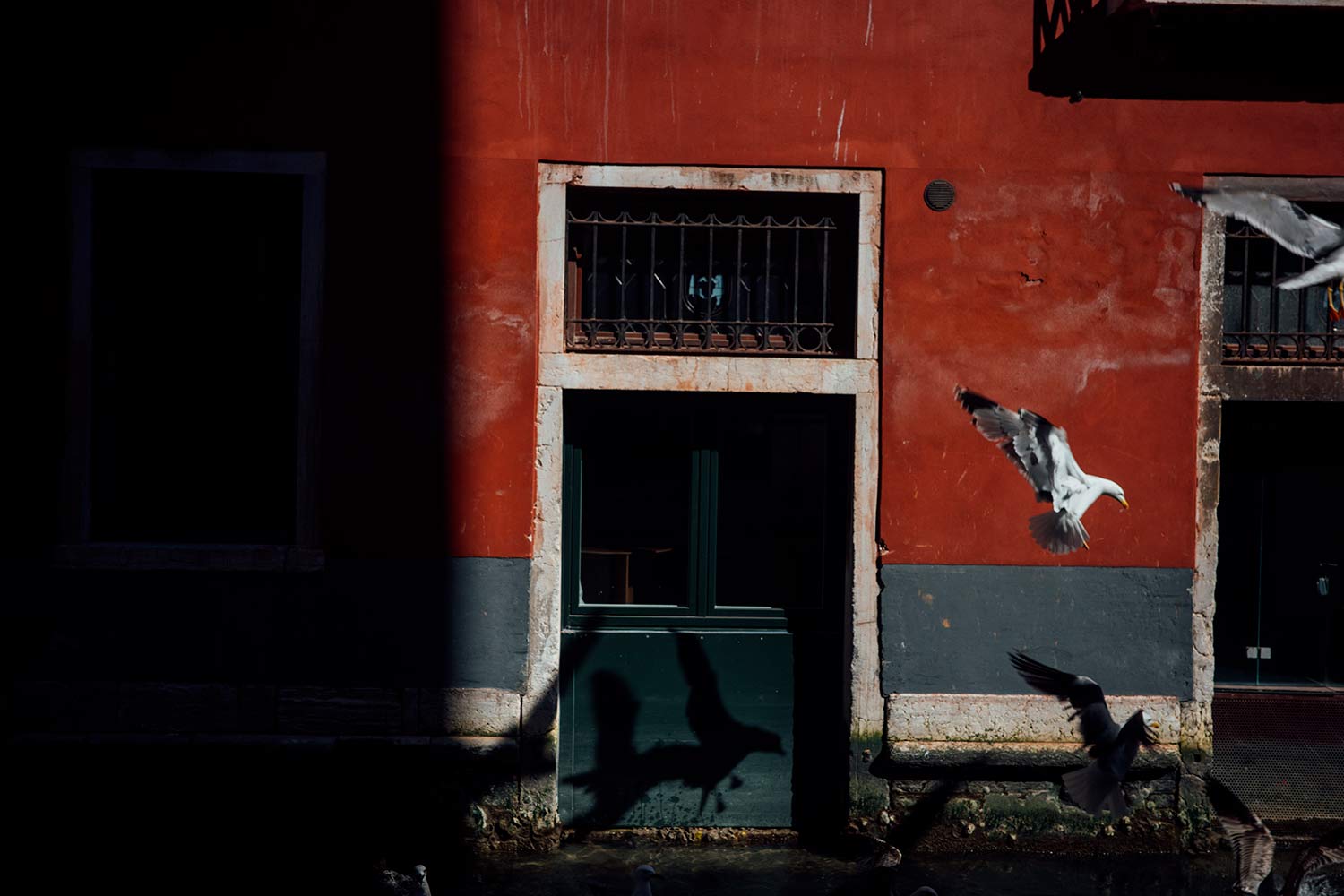
Venice: GR3x, 1/200 sec, f5 iso 10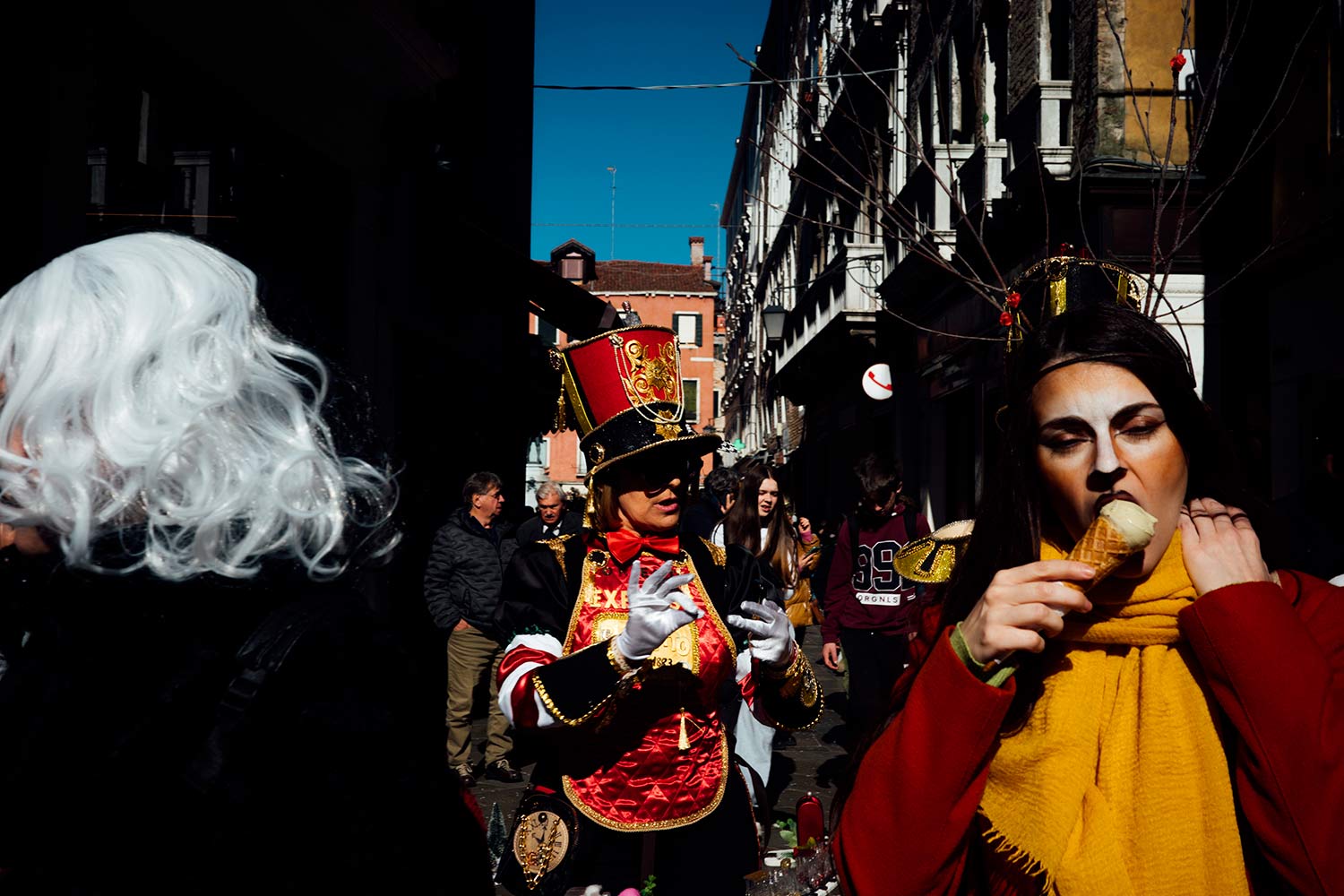
Venice: GR3x, 1/200 sec, f5 iso 10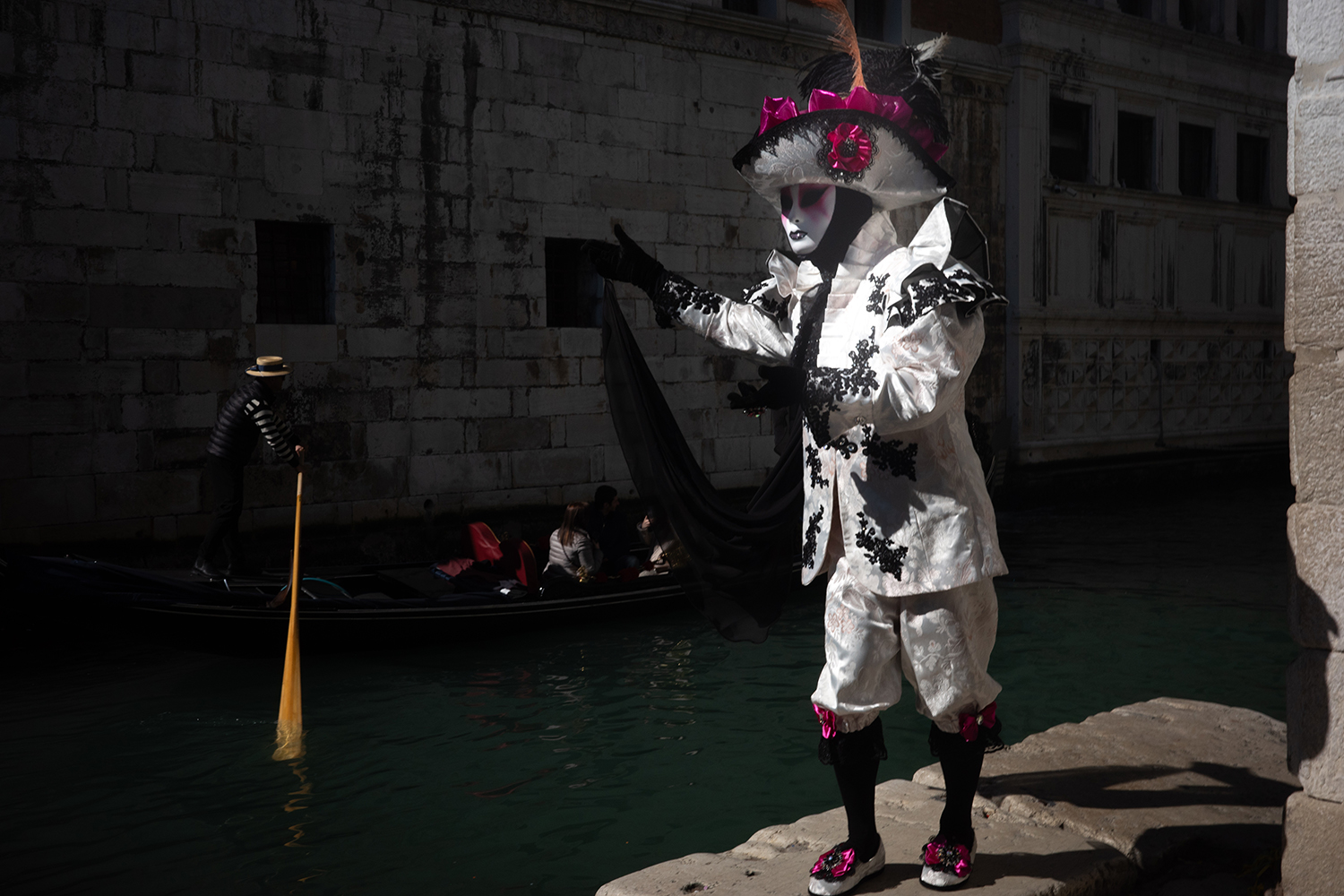
Venice: GR3x, 1/200 sec, f5 iso 10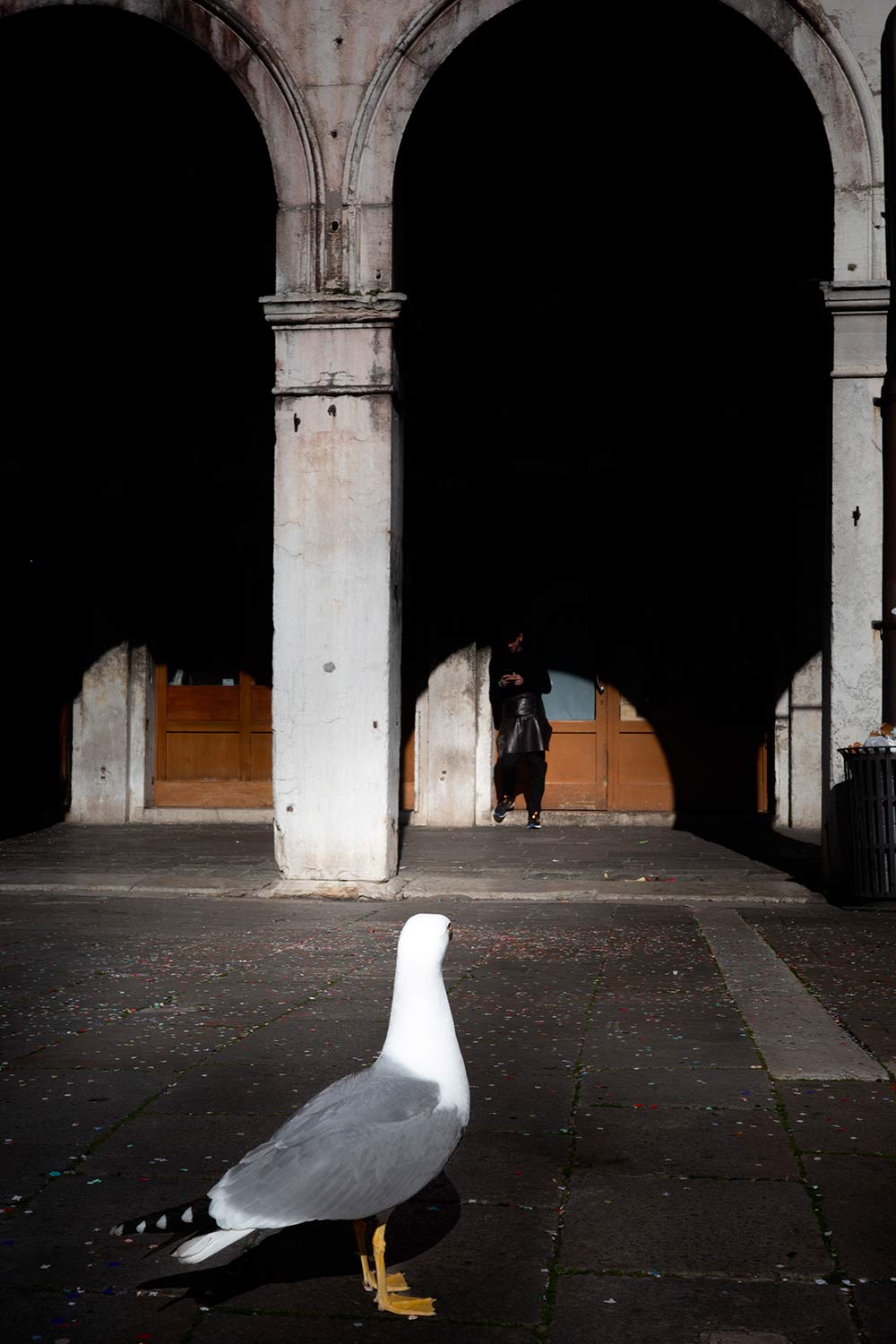
Venice: GR3x, 1/200 sec, f5 iso 100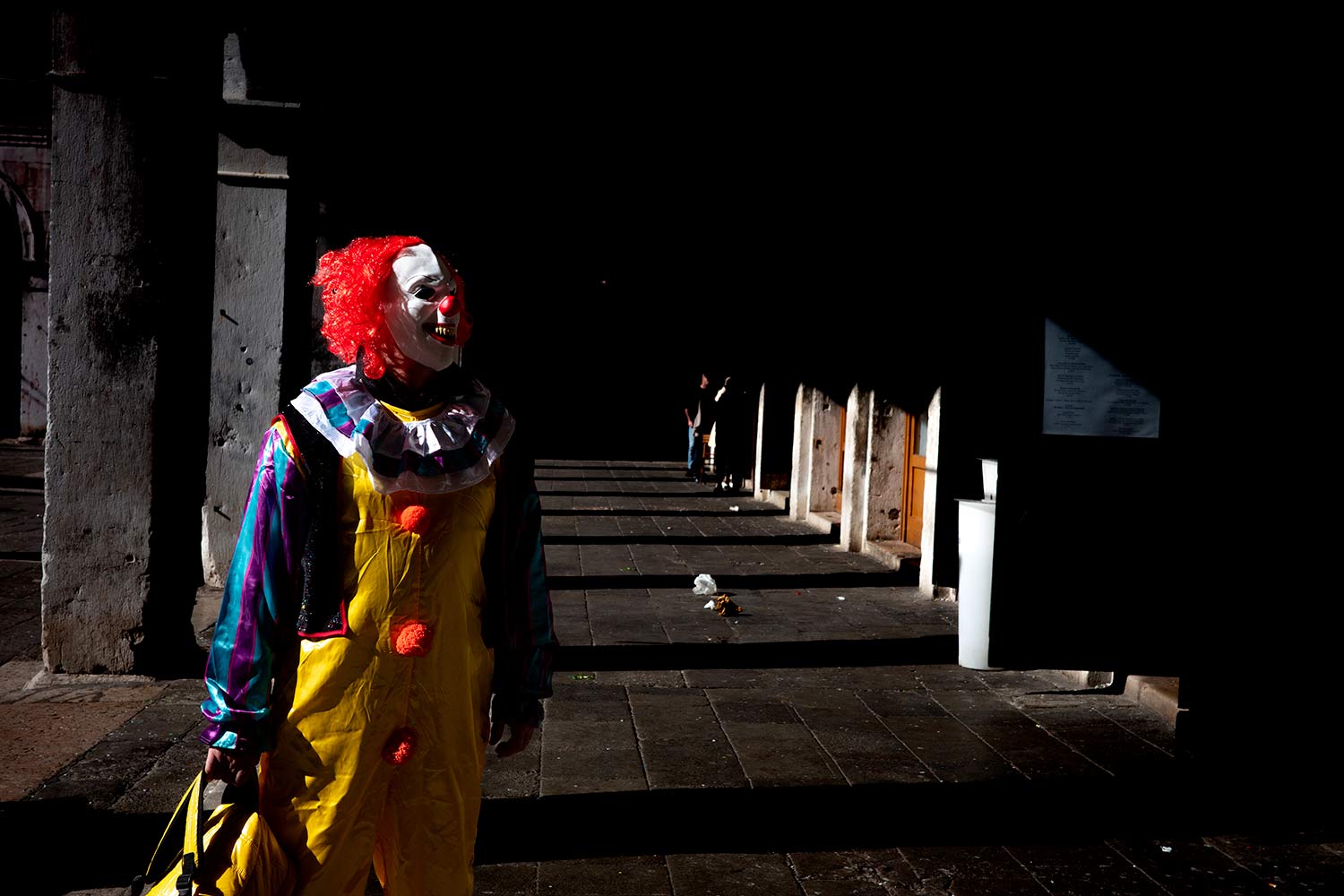
Ricoh GR IIIx and Black & White:
A Pocket Camera that Thinks in Monochrome
There is an old saying among street photographers: “If you want to photograph the clothing, use color; if you want to photograph the soul, use black and white.”
The GR IIIx is inherently built for monochrome—not just because of its celebrated internal presets (though its Hi-Contrast B&W has long been legendary), but because of its optical and structural design.
A Thought on a Dedicated Monochrome: Of course, a native monochrome sensor like the one found in the GR IV Monochrome is unparalleled, and paired with the GR IIIx optics, it would be spectacular. While we don't know if Ricoh will ever release a GR IIIx Monochrom, a camera capable of shooting both color and black-and-white provides immense versatility. That said, the idea of walking around with a GR IV Monochrome in one pocket and a color GR IIIx in the other is incredibly intriguing. Perhaps our next Ricoh review will cover the monochrome version...
For now, the GR IIIx remains a marvel of versatility. Here is why this tiny pocket camera transforms into a powerhouse of monochrome photography once you turn off the color profiles:
Micro-Contrast: Translating Texture into Grain
In black-and-white photography, you cannot rely on color separation to isolate planes or introduce depth. Everything depends on the quality of your tonal transitions: how many shades of gray can your lens resolve between absolute black and pure white?
This is where the GR optics perform miracles. Thanks to its refined optical layout, this lens delivers exceptional micro-contrast. It doesn't merely capture sharpness; it captures texture. Wet asphalt after rain, the deep lines on a stranger’s face, the porosity of a stone wall, or the grain of a tanned leather bag—everything takes on a tactile, three-dimensional plasticity. The RAW files possess a native contrast profile so rich that the images never feel flat or artificially digital.
The Anti-Aliasing (AA) Filterless Design
The 24-megapixel APS-C sensor inside the GR IIIx completely omits an anti-aliasing filter. Light hits the photodiodes directly without any software smoothing, resulting in surgical sharpness.
For lovers of high-texture black-and-white, this is paradise. When you choose to introduce grain in post-production to emulate legendary high-ISO films like Kodak Tri-X or Fujifilm Neopan, the digital grain embeds itself beautifully into crisp, microscopic details. The visual result is not a muddy digital noise that destroys shadows, but a dense, elegant, and vibrant texture that closely echoes the silver halide structure of analog printing.
The Geometry of the 40mm: Ordering the Chaos
The classic GR III, with its 28mm lens, is magnificent for diving headfirst into the chaotic flow of the street. However, that wide perspective pulls in a vast amount of context and introduces unavoidable perspective distortion.
The 40mm equivalent of the GR IIIx tightens the field of view, demanding a more rigorous approach to composition. It becomes the ideal tool for cutting a silhouette cleanly against a slash of light, accentuating the geometric lines of urban architecture, or framing an environmental portrait without letting the background hijack the viewer's attention. The 40mm does not distort; it renders proportions exactly as your eye perceives them, leaving only the light and the core structure of the frame to speak.
Istanbul: GR3x, 1/125 sec, f5 iso 400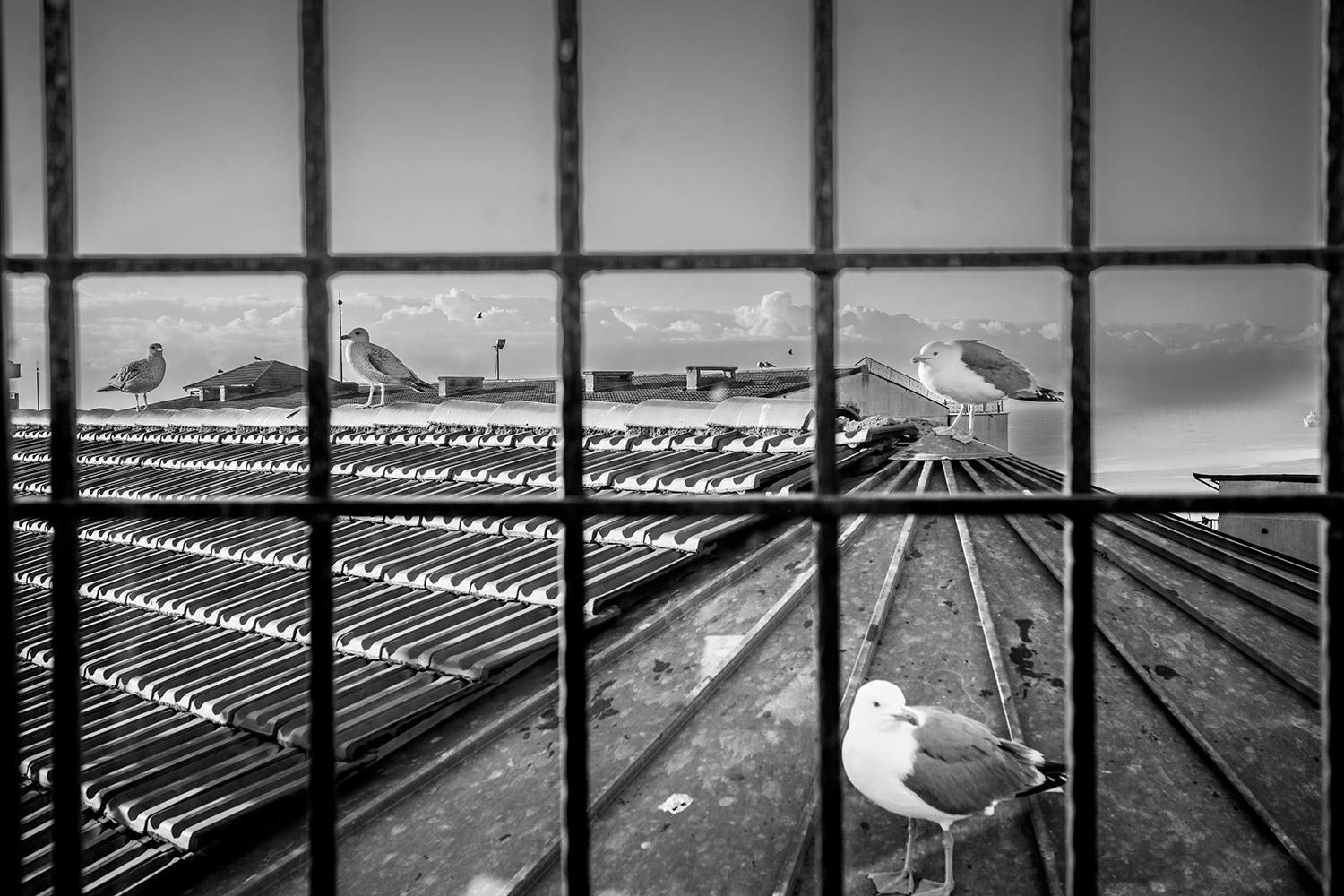
Istanbul: GR3x, 1/160 sec, f7.1 iso 100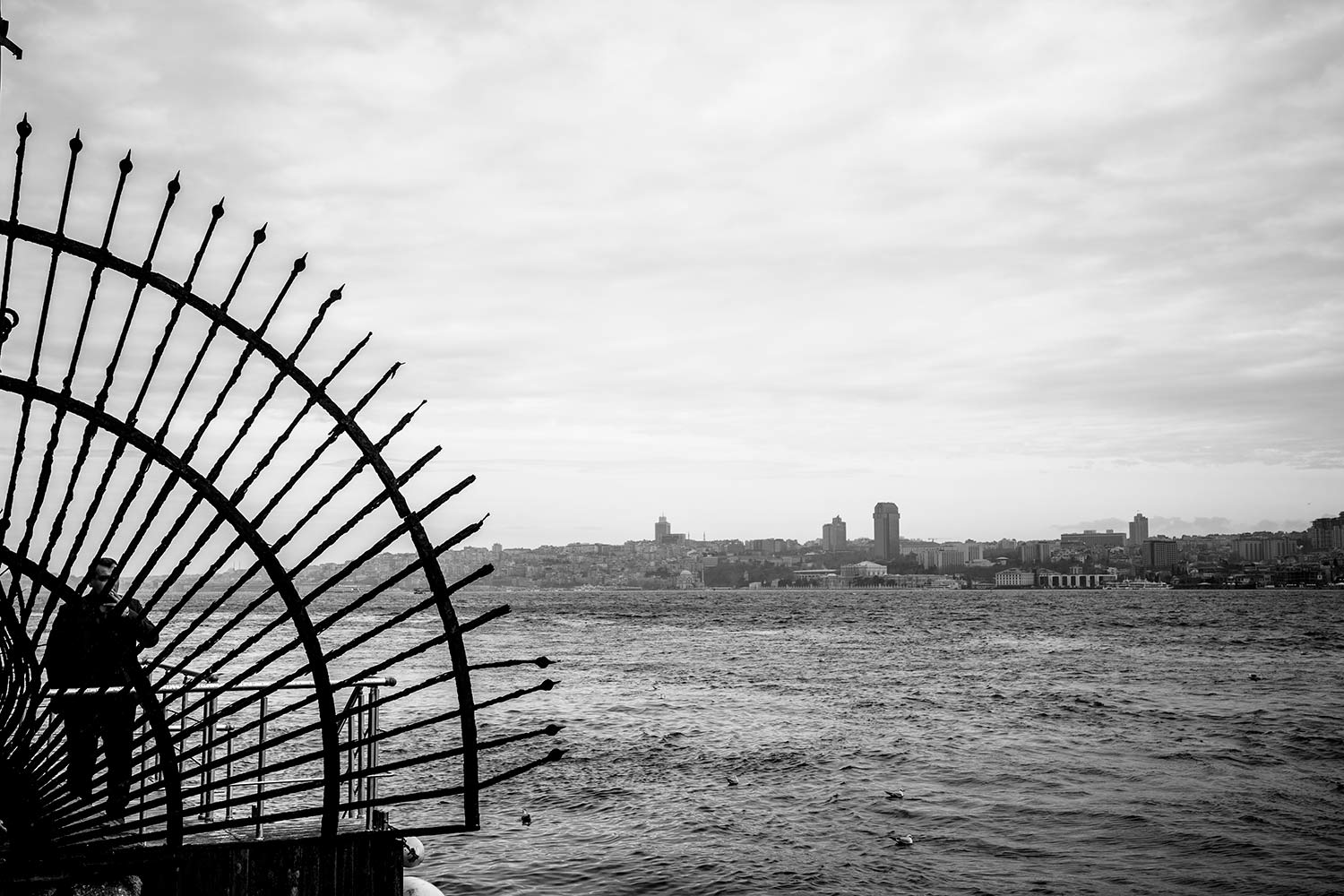
Istanbul: GR3x, 1/125 sec, f5 iso 800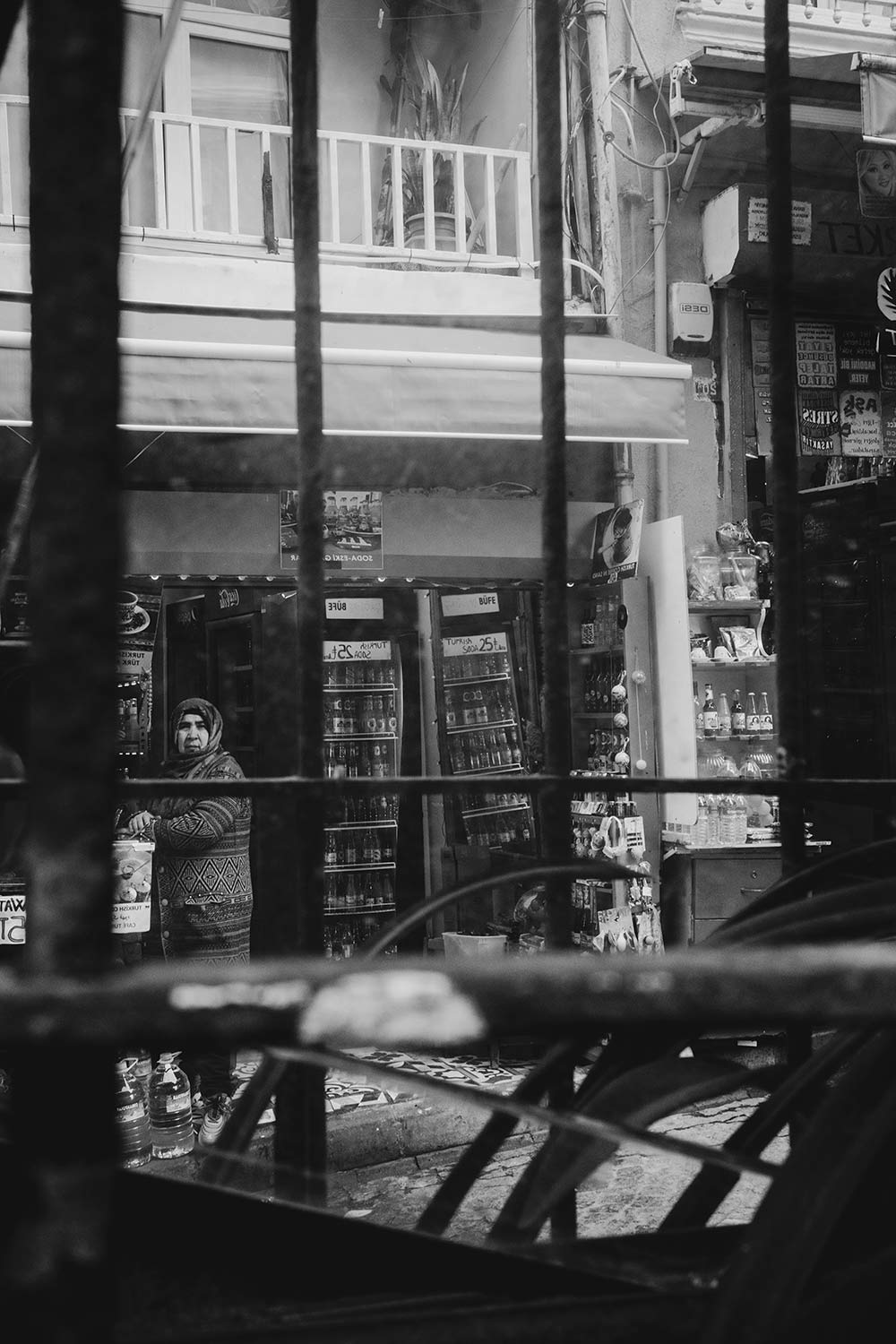
Istanbul: GR3x, 1/325 sec, f5 iso 1250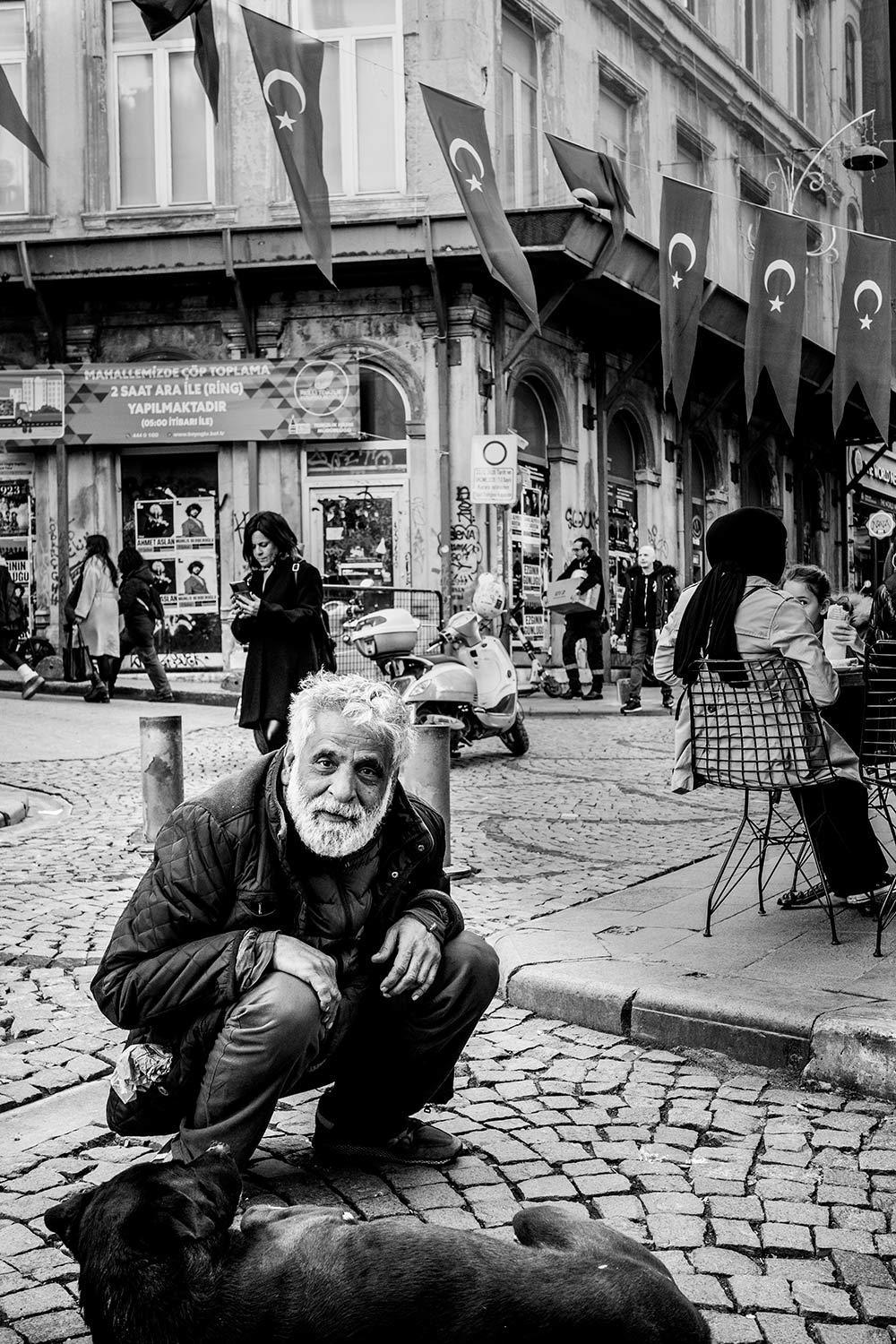
Ricoh & Daido Moriyama: Recreating "Are-Bure-Boke"
The Japanese term Are-Bure-Boke (Rough, Blurred, Out-of-Focus) defines the anarchist aesthetic with which Daido Moriyama revolutionized the photographic world. Even though the GR IIIx carries a 40mm lens—tighter and more structured than Daido’s signature 28mm—it retains the exact same technical DNA required to execute this raw style:
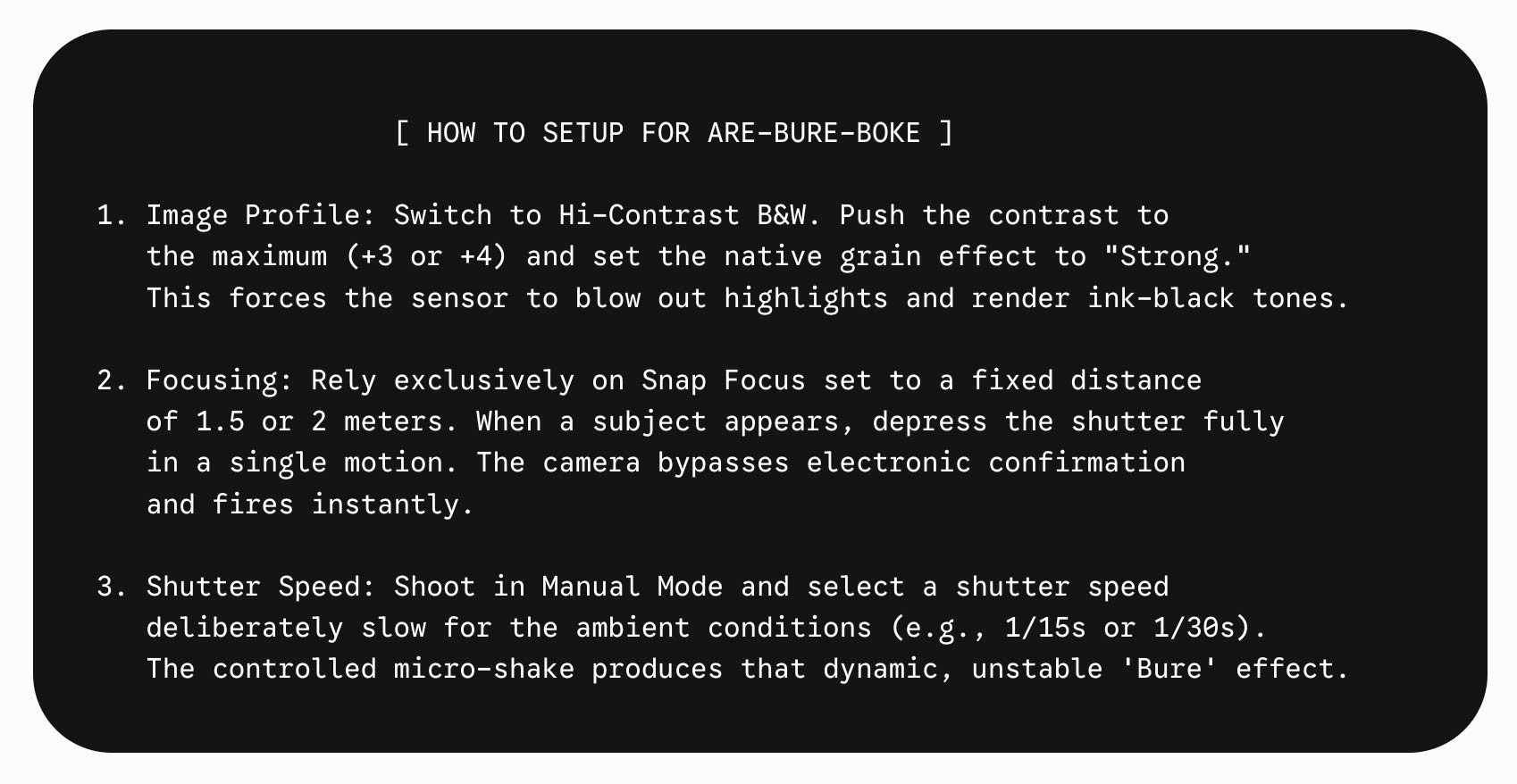
I have a profound admiration for Moriyama's philosophy—as you can see, I have even his T-shirt. In 1971, he published his most iconic image, Stray Dog, which became the definitive emblem of his approach to photography: acting as a solitary predator moving through the streets of Shinjuku, Tokyo, capturing the rawest, loudest, and most authentic fragments of urban life.
My Workflow: Personally, I prefer shooting in RAW and using Lightroom to carefully craft the Are-Bure-Boke look rather than burning it in via the camera's internal JPEG preset. It yields significantly more flexibility, latitude, and creative control over the final file structure.
GR3x, 1/50 sec, f2.8, iso 400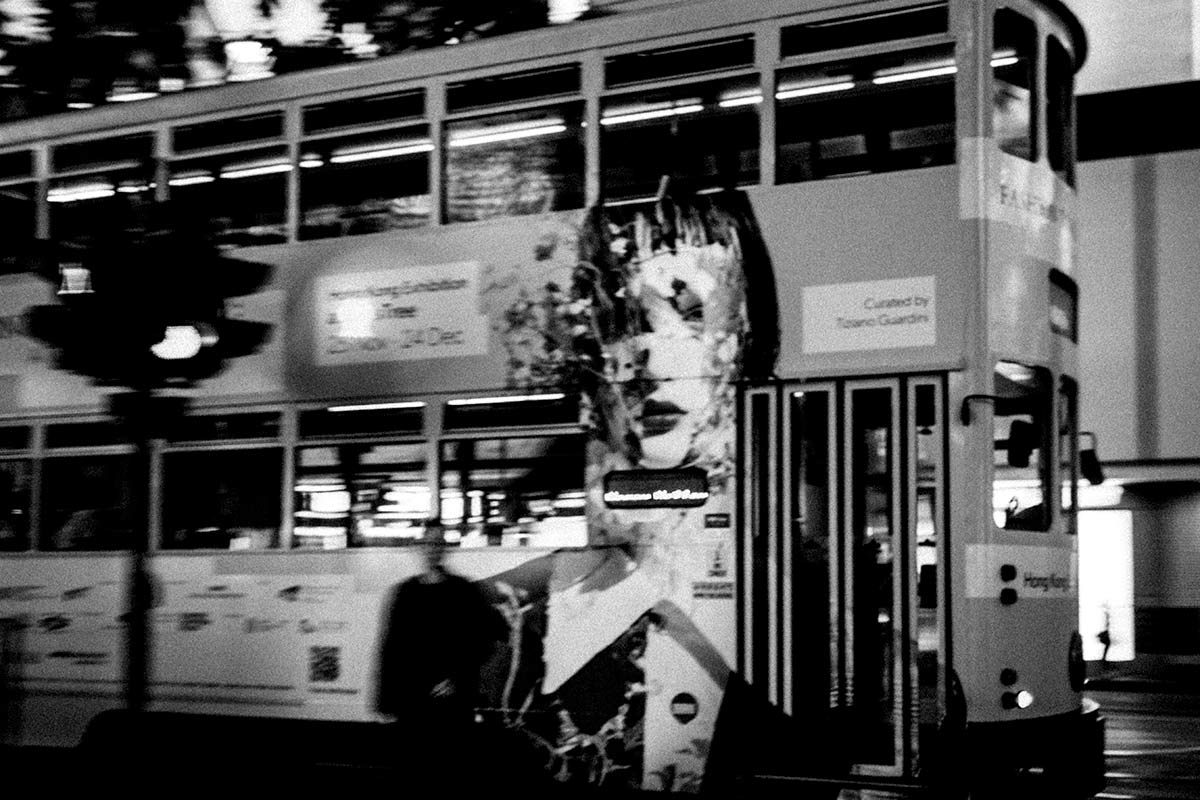
While the Ricoh GR IIIx is a pocket-sized powerhouse, it is far from perfect. After extensive shooting, these are the real-world frustrations that break the rhythm of an otherwise brilliant camera.
The Hunt: In fast-paced environments, the autofocus can occasionally feel sluggish, hunting right when you need it to lock.
The Background Trap: Worse entirely is its tendency to suffer from severe back-focus (like also the GRIII). Even when framing a large, prominent subject dead center, the camera will unpredictably ignore the foreground and lock onto the background instead. For a camera built for decisive moments, this hit-and-miss accuracy can be incredibly frustrating.
Squinting at the Screen: The user interface layout leaves a lot to be desired. Essential exposure data—like the F-number and shutter speed—is rendered in tiny, microscopic text.
No Scaling Options: Unless you possess the eyesight of a hawk, reading these settings at a glance is nearly impossible, and Ricoh provides no menu option to scale or enlarge these crucial numbers.
A Wasted Opportunity: When shooting with an external optical viewfinder (OVF), you want to kill the main screen to save battery and maintain stealth. Ideally, Ricoh should offer a clean, high-contrast black screen mode displaying only the essential data: ISO, Shutter Speed, Aperture, and a Live Histogram. Instead, you are left with poor display customization for OVF shooting.
Washed Out: The rear LCD panel simply lacks the peak brightness required to fight back against harsh, direct midday sun. In bright daylight, the screen becomes practically invisible, forcing you to shoot blind and guess your framing.
Conclusions
Answering the core question—would Henri Cartier-Bresson use this Ricoh today? It is impossible to give a definitive answer, but I would say...
Probably, yes. Perhaps paired with another camera or even a smartphone. Which ones? I don’t know yet, but maybe in my upcoming reviews, I will propose some alternatives.
Angelo Smaldore
artisan / photographer
© Copyright Notice: All photos are my own work and strictly protected by copyright. They are not to be reproduced without permission (please request authorization via email if needed).
GR3x, 1/160 sec, f13, iso 500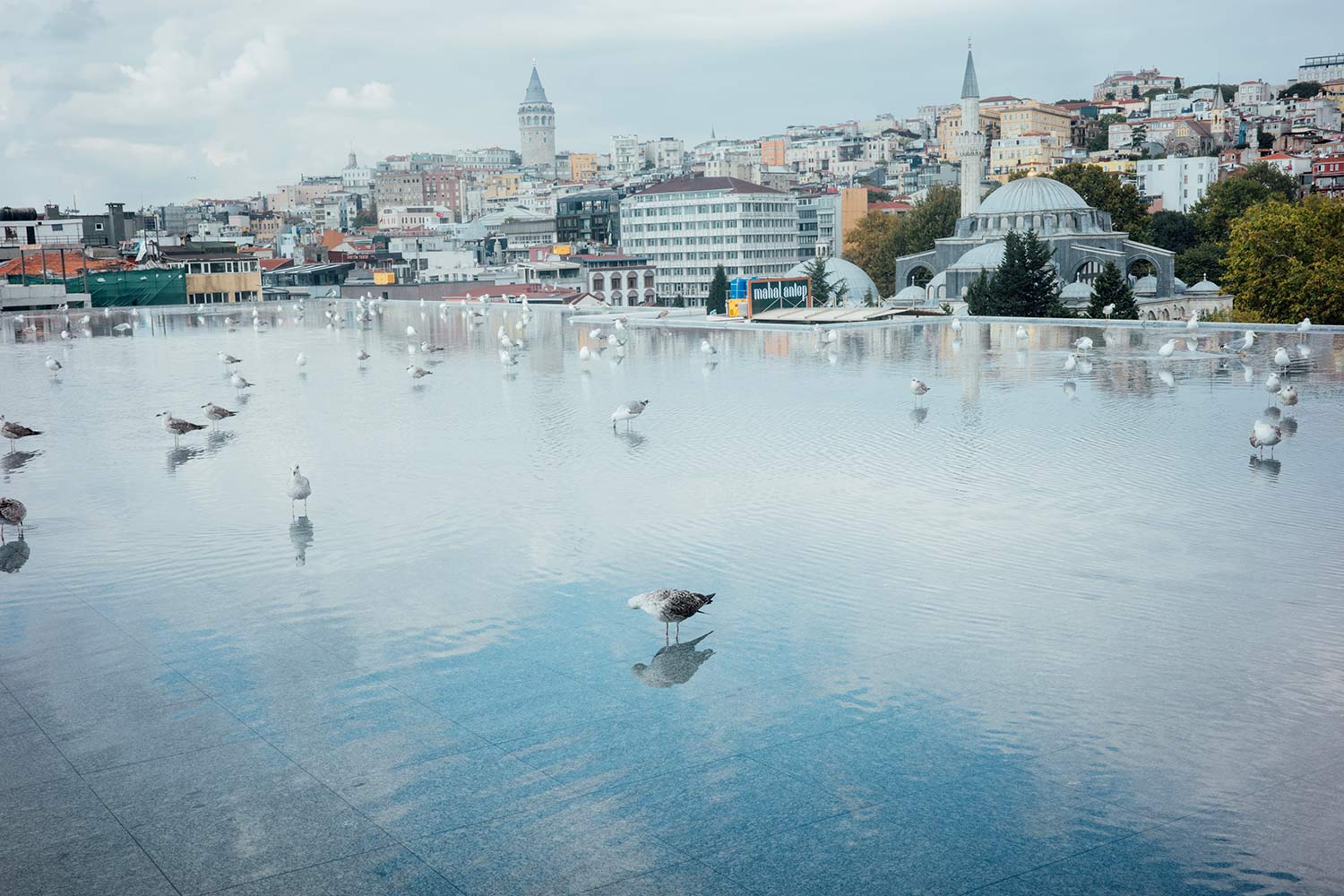
GR3x, 1/80 sec, f4.5, iso 160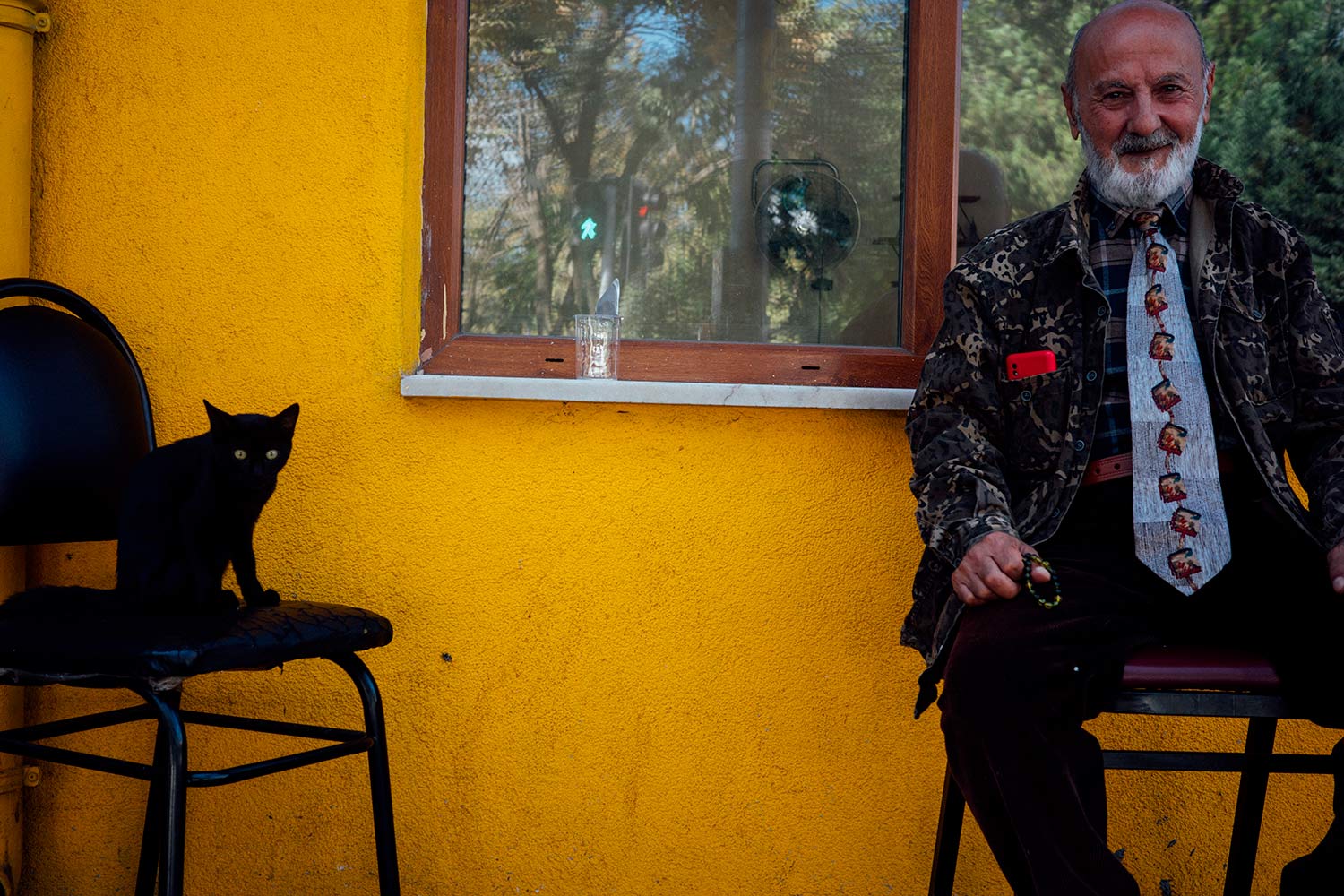
GR3x, 1/100 sec, f7.1, iso 200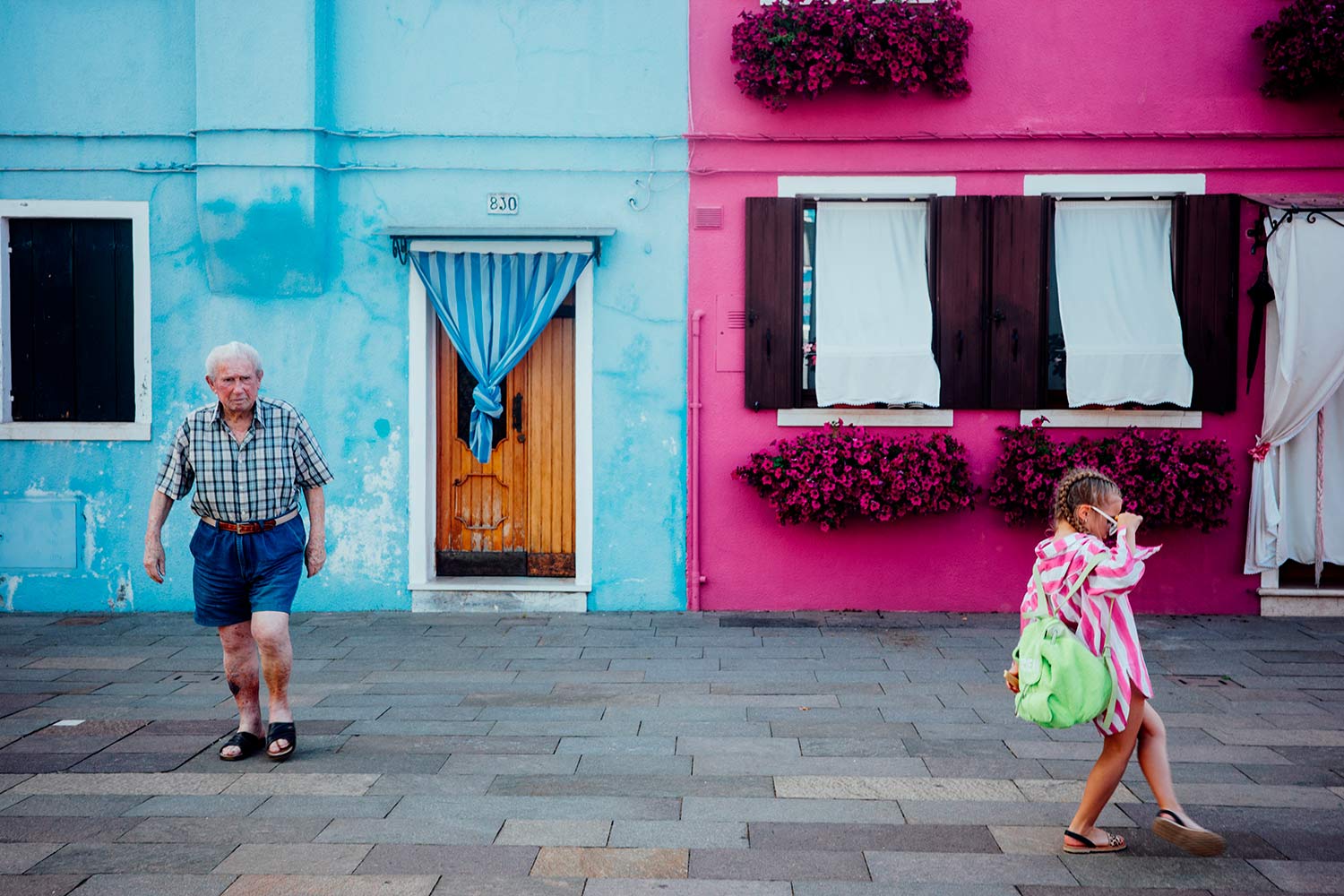
GR3x, 1/80 sec, f3.5, iso 160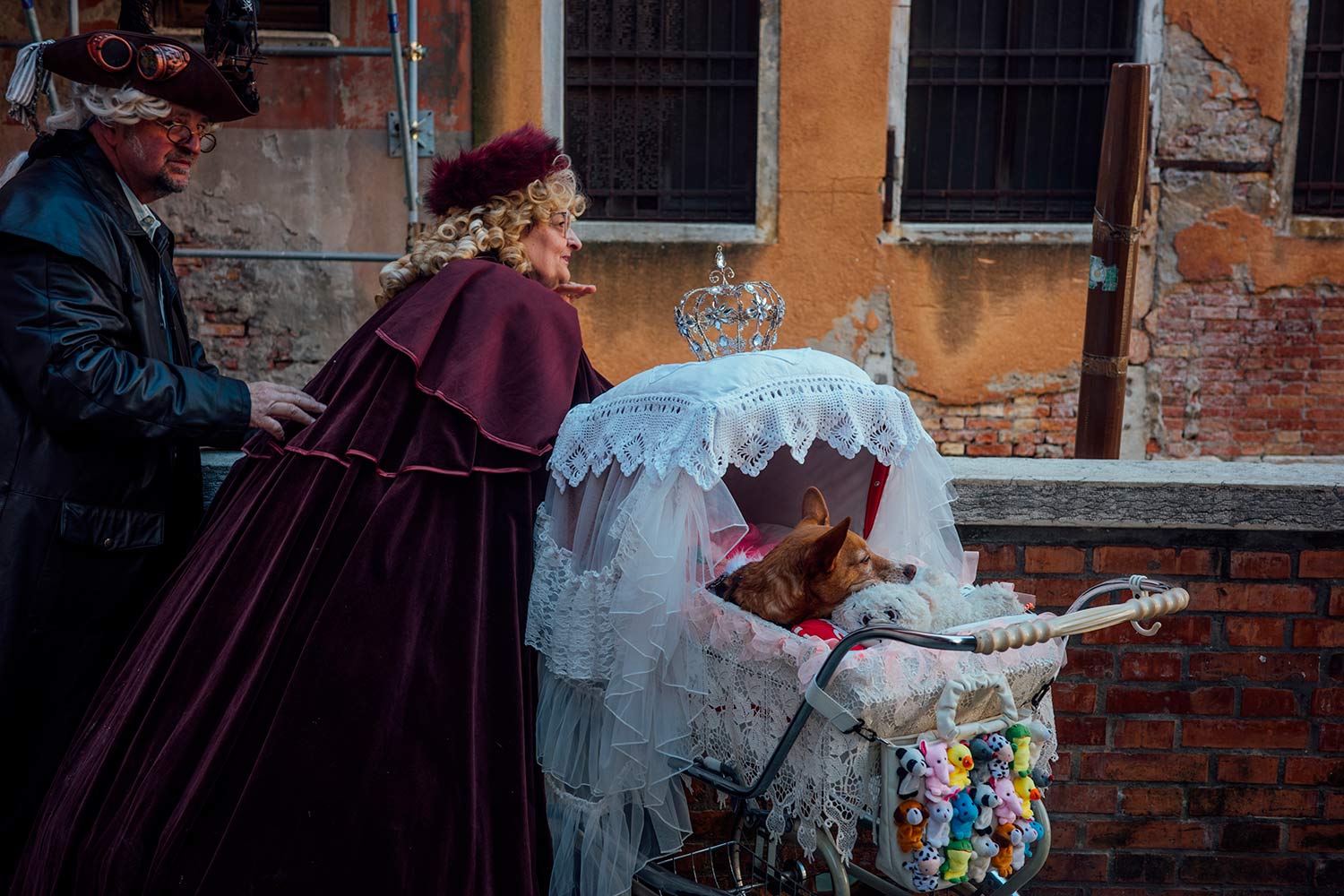
GR3x, 1/400 sec, f7.1, iso 160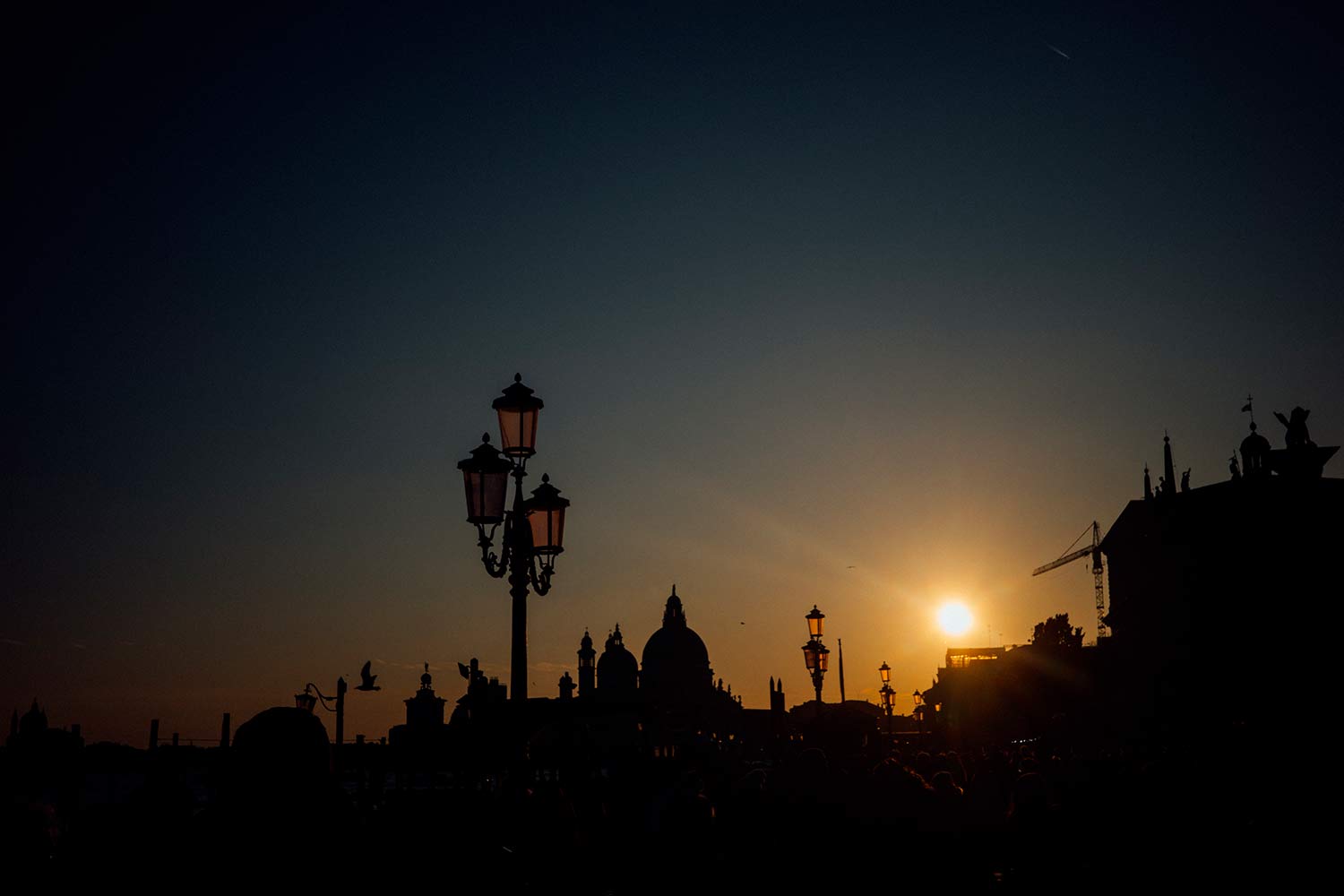
GR3x, 1/60 sec, f6.3, iso 250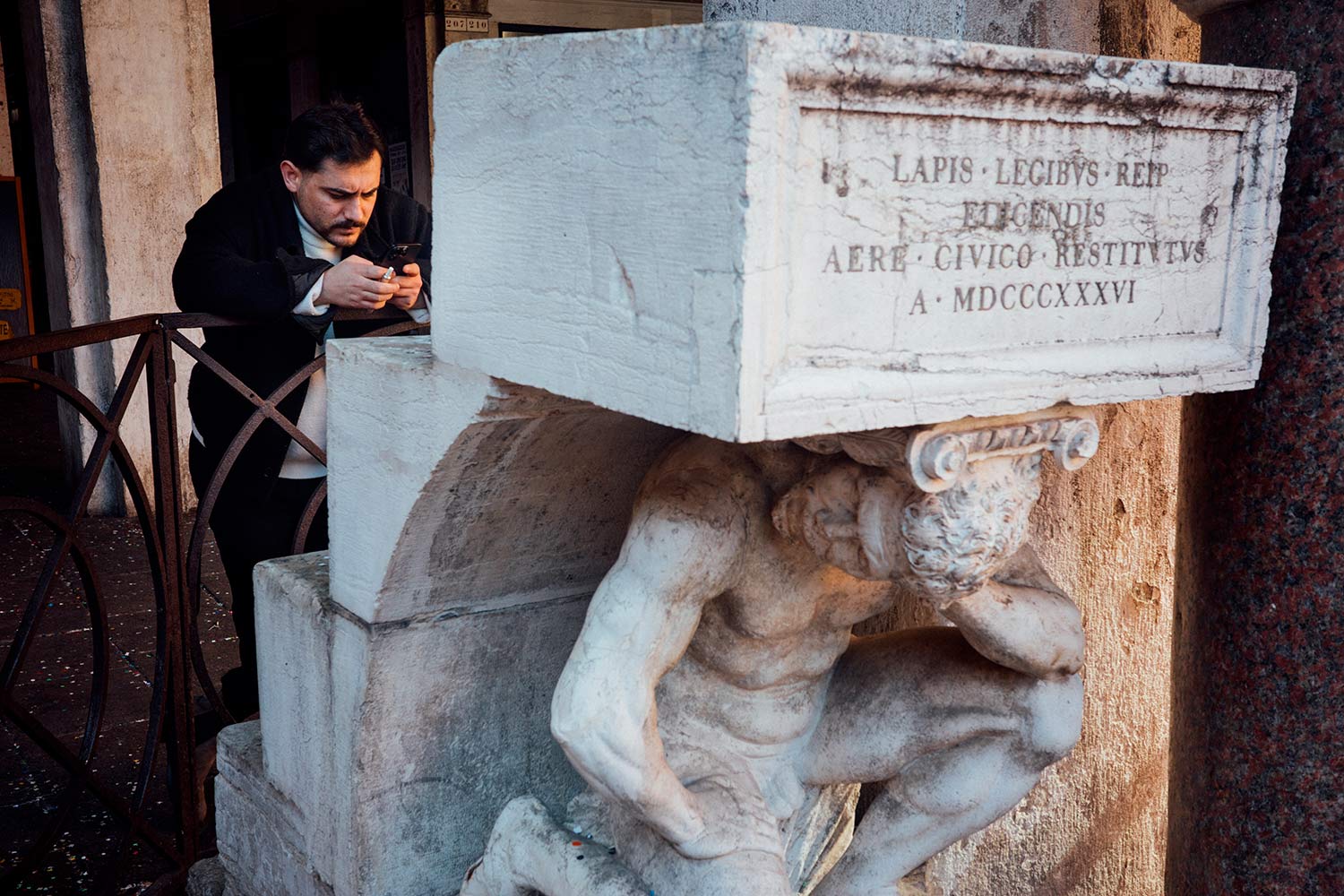
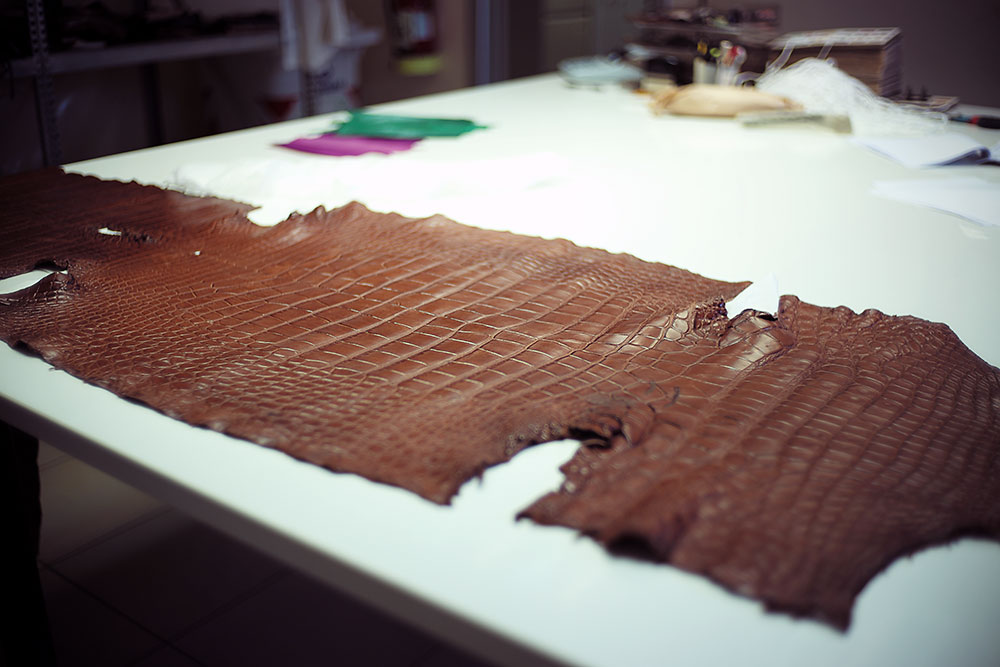
alligator
An honest look from the cutting table at Nile Crocodile and American Alligato...
Read more →"Our products are made in very limited run. It means that you are one of the few in the world to have our leathercraft."
Angelo Smaldore, Founder